School Garden Planting and Buying for Teachers and Parent Groups
A school garden is planned around the school year, not the planting season, so its plants must survive the weeks the school is empty. This page covers planning around the holidays, who buys and how, choosing hardy plants, sizes for the planting day, and the programmes that help schools.
Updated 24 October 2026. Plant counts from the live nz.hortosapp.com plant pages on 25 October 2026; median trade prices are not published for most New Zealand plants yet.
On this page
A school garden is planted in a burst of goodwill, usually in spring, and then meets the long summer holidays from December to early February with nobody to water it. The one idea that matters most is that a school garden is planned around the school year, not the planting season, so the plants chosen must survive the weeks the school is empty.
This page is for the teacher or the parent volunteer who has been asked to make it happen. It covers planning around the school year, who buys and how, choosing hardy plants children can handle, sizes and quantities, and the programmes that help. It draws on the school garden programmes named below and on HortOS, a free directory of New Zealand wholesale plant growers with their published availability and trade prices. It does not replace the school's own safety and purchasing rules.
Quick facts
| Plan for the holidays | Choose plants and a planting date that let the garden survive the long summer holidays from December to early February. Perennials and drip watering beat annuals and a roster. |
|---|---|
| Who buys | Decide early whether the school or the PTA or the board is the buyer. That decides the account, the paperwork and the tax. |
| Hardy plants | Pick hardy plants children can handle, and check every plant against the school system's list of plants not to use. |
| Small sizes | Root trainers and pb3 bags are cheap, easy for small hands to plant and quick to root. |
| Help is close | School garden programmes, local gardening groups and growers near the school all help schools plan and plant. |
| Where the growers are | Growers near the school are on the region hubs: Auckland, Canterbury, Waikato. |
Planning around the school year
The garden's hardest weeks are the ones with no children in them. A bed of annual vegetables planted in spring is ready just as the school closes, and is dead by the time it opens again. Plan the garden in two parts. The permanent part, of perennials, herbs, fruiting shrubs and trees, is planted in the cooler months and watered by a drip line on a timer. The seasonal part, of vegetables and annual flowers, is sown so it is picked before the long break or after it.
Write the planting dates into the school calendar, beside the term dates. A planting day booked for the week before a long break is a planting day that will need a parent roster, and a roster that rarely lasts the whole holiday.
Who buys, and how
Most schools buy through the office on a purchase order. Ask early whether the school or the PTA is the buyer, since that decides whose account and whose GST. Buying plants in bulk for a community group explains trade accounts, minimum orders and quotes, which apply to a school in the same way.
A grant usually needs a quote before the money comes, and a list of what was bought after. Ask a grower for a written quote with the plants, the sizes and the dispatch date, and keep the invoice with the grant file. School garden grants lists programmes that have funded school gardens.
Choosing hardy plants
Children are rough on plants, and some plants are rough on children. Choose hardy perennials, herbs, grasses and fruiting shrubs that take being brushed past and picked. Leave out plants with thorns near paths, plants whose sap irritates skin, and any plant on the school system's list of plants not to grow. The rules on poisonous plants in childcare and schools explains how those lists work.
The table lists hardy plants of the kind school gardens use, with how many growers listed each on HortOS on 25 October 2026. It is not a safety list: check each plant against your own school system's rules. Grower counts are the growers listing each plant on HortOS on 25 October 2026, in any size. Median trade prices are not published for most New Zealand plants yet.
| Plant | Growers listing it |
|---|---|
| Speckled sedge (Carex testacea) | 44 |
| Wharariki (Phormium cookianum) | 42 |
| Kōhūhū (Pittosporum tenuifolium) | 36 |
| Mānuka (Leptospermum scoparium) | 29 |
| Silver tussock (Poa cita) | 28 |
| Taupata (Coprosma repens) | 20 |
| Mīkoikoi (Libertia grandiflora) | 13 |
| Koromiko (Hebe stricta) | 13 |
| Korokio (Corokia cotoneaster) | 13 |
| Koromiko (Veronica stricta) | 4 |
| Kakaha (Astelia fragrans) | 3 |
Of the plants in the table, speckled sedge (Carex testacea) had the most growers listing it, 44, and kakaha (Astelia fragrans) the fewest of those shown, 3.
Water, tools and storage
A school garden needs a tap within reach of every bed, hoses children can handle, and a drip line on a timer for the holidays. Ask the school's maintenance staff where water can be run and who will fix a leak. Child-sized tools, gloves and a lockable store keep the garden tidy and save replacing tools every year.
Raised beds at the right height let children reach the middle without standing in the soil, and a wide, firm path lets a whole class move around the garden at once. Plan these before buying a single plant.
Sizes, quantities and the planting day
- Small plants for small hands. Root trainers and pb3 bags are light, cheap and quick to plant with a trowel. A class plants a tray in a lesson.
- Spacing in children's terms. Mark planting spots with pegs or a rope with knots, so each child knows where their plant goes.
- Trees for shade. Shade trees for play areas are a bigger purchase and usually the school's or the council's decision. Shade trees for schools and playgrounds covers the choice.
- Water on the day. Every plant needs a deep watering on the day it goes in. Fill buckets or cans before the class arrives.
- Mulch last. Spread mulch after planting and keep it off the stems.
Keeping the garden going
A school garden lasts when it belongs to the school, not to one person. Tie the garden to the curriculum, so classes use it in science, maths and cooking lessons through the year, and give each class a bed or a job. Write down who looks after what, when, and where the tools and keys are.
Labels help children learn the plants and help the next volunteer know what is meant to be growing. A plant label made by the class, with the plant's name and a simple fact, does both. Keep a garden diary of what was planted, when, and how it did, so each year's plan starts from last year's lessons.
Programmes that help
Enviroschools supports schools and early childhood centres with environmental projects across the country, and regional councils fund it in most regions.
What to watch for
- Planting before a long break. A spring planting with no holiday watering plan rarely survives. Plant permanent beds in the cooler months and time vegetables around the break.
- No decision on who buys. A school and the PTA or the board buying separately can end up with two accounts, no quote for the grant and no receipts.
- Unsafe plants. A plant on the school system's list, or with thorns or irritating sap near a path, will be removed and may close the garden.
- Too many varieties. Thirty kinds of plant in a small garden confuse the children and the volunteers. Ten well-chosen plants teach more.
- One champion. A garden kept going by one teacher or parent stops when they leave. Spread the jobs across a committee.
Getting it right
- Mark the term dates and holidays, and plan a permanent part and a seasonal part of the garden.
- Agree whether the school or the PTA or the board is the buyer, and ask the office how purchases are made.
- Choose hardy perennials, herbs and fruiting shrubs, and check every plant against the school system's list.
- Ask a grower near the school for a written quote with sizes and a dispatch date.
- Plant the permanent part in the cooler months with a drip line on a timer.
- Share the jobs across a committee, and keep a record of what was planted where.
A word of caution
School safety rules, purchasing rules and grant terms belong to the school, the school system and the funder, and they decide what is planted and how it is bought. The plant counts are what HortOS printed on 25 October 2026, and the live pages change as growers update their lists. On stock and terms the grower's word is the one that counts.
Sources
- Enviroschools: the schools' environmental programme.
- Inland Revenue, not-for-profits and charities: tax for clubs and charities.
- Royal New Zealand Institute of Horticulture: horticulture, plant profiles and collections.
- New Zealand Landcare Trust: catchment and community groups.
More guides
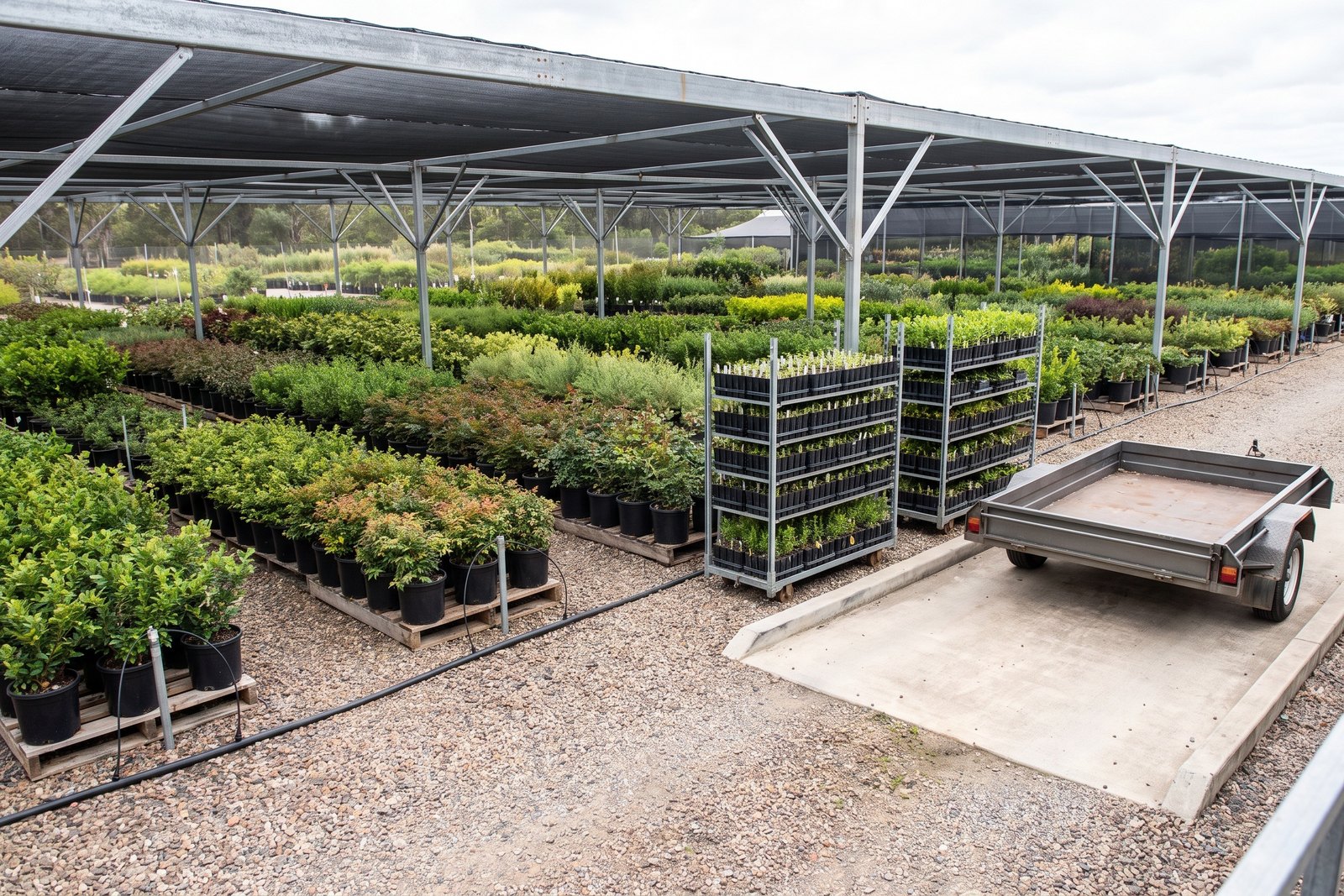
Buying Plants in Bulk for a Community Group
Garden clubs, community gardens, schools and friends groups can buy plants by the tray and the trolley from wholesale growers when they order like the trade. This page explains what bulk means to a grower, the three ways a group buys, how to turn a plan into quantities, what a quote request needs and how collection day works.
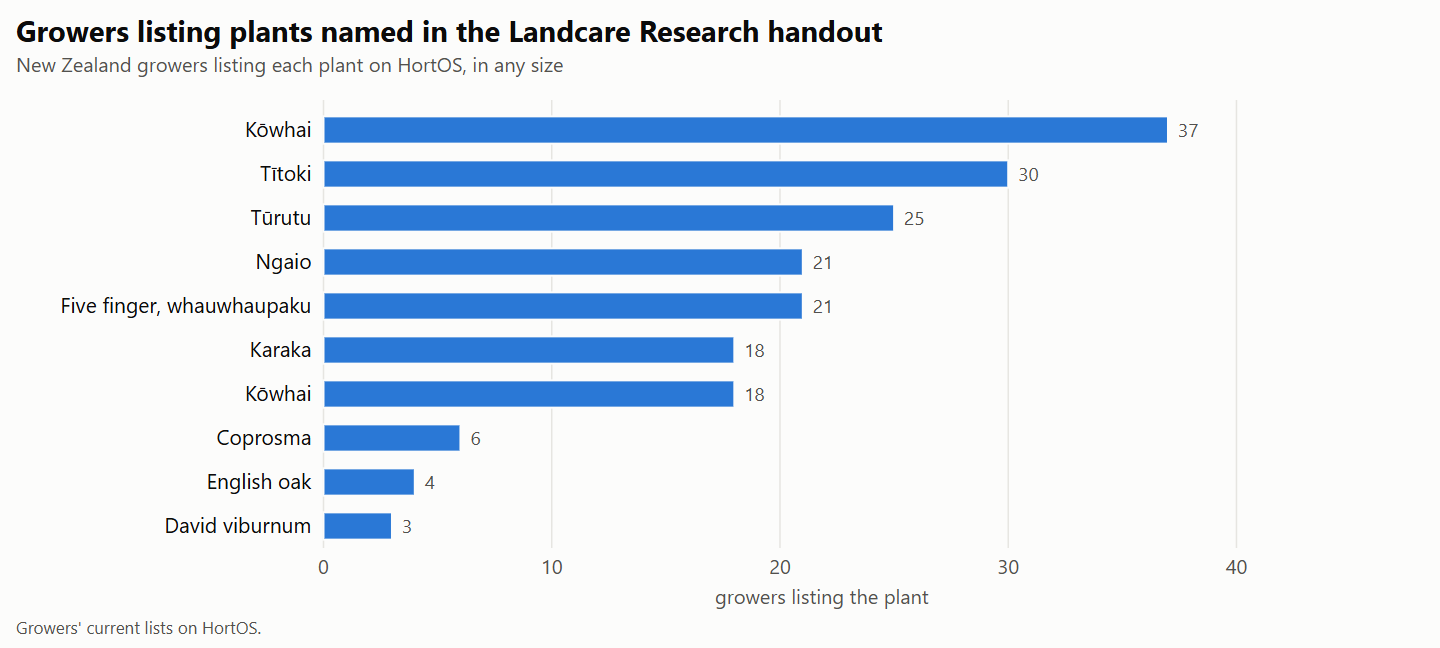
Poisonous plant guidance for New Zealand early childhood services
New Zealand's early childhood regulations set a general duty about hazards and name no plant. The plant lists reported here are Landcare Research handouts of 1999 and 2002. This guide reports both, and sets plants that the later handout names beside the growers listing each one on HortOS, with what the lists do not show.
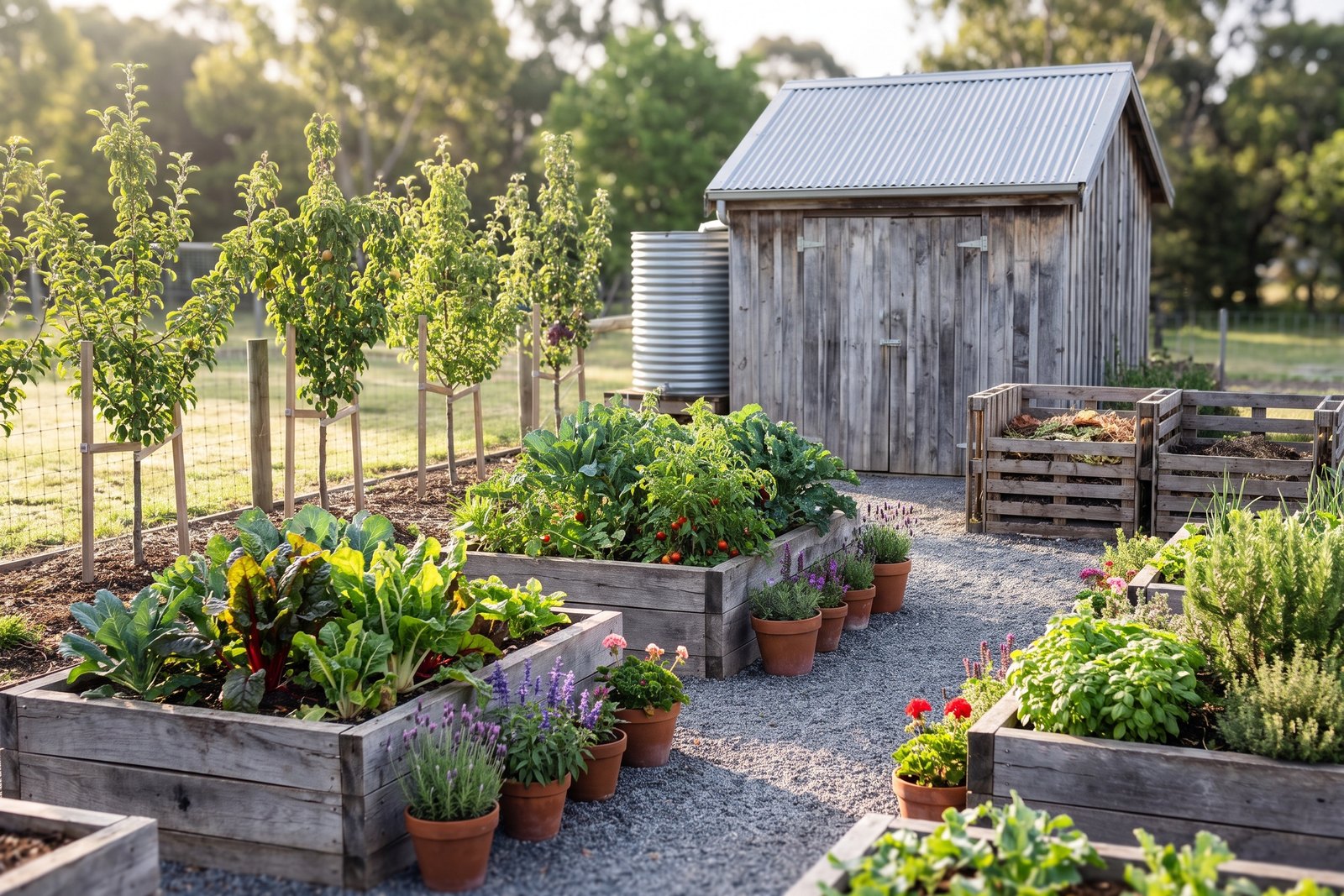
Choosing Plants for a Community Garden on a Budget
A community garden's plant budget goes furthest on plants that come back every year, bought small, from what growers list in numbers. This page sets out the order to spend in, the plants that earn their place, buying small and together, and where fruit and shade trees fit.