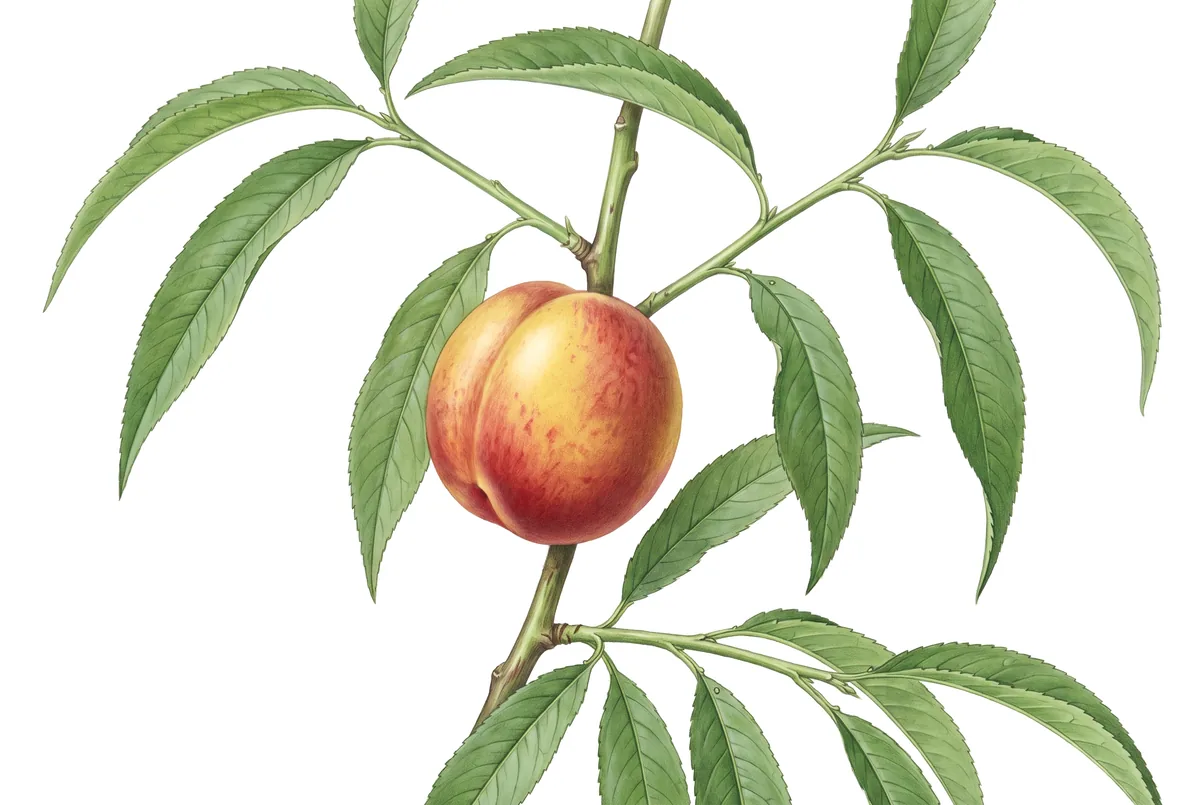
Prunus persica nucipersica 'Snow Queen'
Flowering Cherry / Flowering Plum
One of 21 Prunus persica varieties: see them all
4 growers · 4 sizes · from $65.00 ex GST
- Type
- Deciduous tree
- In New Zealand
- Not native
| Size | Grower | PricePrice ex GST | ||
|---|---|---|---|---|
| 74.99mm | Harrisons Gardenworld74.99mm | Price on application. Sign in to ask the grower. | ||
| 600mm | Greenspace Plants600mm | $80.00 | ||
| 17L | Cottle Hill Nursery17L | $65.00 | ||
| 60L | Leafland Nursery (Main Site)60L | Price on application. Sign in to ask the grower. |
Also grown by 6 nurseries (no sizes or prices listed)
Enquire with them for sizes and prices.
- Blueskin Nurseries & CafeWaitati, Otago
- Cooke L E NurserymanHastings, Hawke's Bay
- Diack's NurseriesMakarewa, Southland
- Edible GardenPalmerston North, Manawatū-Whanganui
- Southern Woods NurseryChristchurch, Canterbury
- Woodleigh NurseryLepperton, Taranaki
Growing snow Queen
No New Zealand reference read describes 'Snow Queen' or how it grows here, so this section gives Clemson's account, written from its variety trial in South Carolina, with its owner.
Cropping. Clemson says the trees need aggressive, early thinning for the fruit to reach a marketable size of 64 to 76 mm across. It reports that some fruit occasionally have a split stone, which shows as a fruit wider one way than the other, and that the skin may sometimes carry speckled russet.
Season. In South Carolina, Clemson says, it is typically harvested between the middle and the end of June, and its performance in five years of trials there has been very good. That is a northern hemisphere season, and no reference read gives a ripening time in New Zealand.
Climate. Te Ara, the encyclopedia of New Zealand, says stone fruit in general needs winter chilling for its flowers to set fruit, that warm days and cool nights develop the flavour, and that rain at harvest can damage the fruit and encourage disease.
Using snow Queen
Clemson says 'Snow Queen' is not an absolutely perfect nectarine, but recommends it for selling as tree-ripened fruit at a roadside stall or a farmers' market, for its aroma and its taste: it calls it probably the best nectarine it has all year. It says the russet and the split stones do not stop fruit being sold that way.
Te Ara records that from about 2000 the New Zealand trade moved from yellow-fleshed peaches and nectarines to white-fleshed varieties, which it says are sweeter because of their low acid content. The page on the nectarine gives the account of the plant for New Zealand, and Goldmine is an old nectarine that arose in Auckland.
What to check before you buy
Growers list it as Nectarine Snow Queen. Clemson gives 'Karla Rose' as another name for the same nectarine, so a line under that name is the same plant by its account. Small stock is named by the planter bag, PB2, PB3, PB5 and PB8, and larger stock by litres, as the guide to plant grades by market explains; the table above shows the sizes growers list. For roots, pests and hardening off, the guide to nursery plant quality sets out what to check.
Cautions
For the species, the ASPCA lists the peach, Prunus persica, as toxic to dogs, cats and horses, naming cyanide in the stems, leaves and seeds.
Used forfruit and orchard
Prices are set by each grower and shown ex GST. Availability is confirmed by the grower at order.
Common questions
- Who grows Prunus persica nucipersica 'Snow Queen' wholesale in New Zealand?
- 4 wholesale growers list Prunus persica nucipersica 'Snow Queen' on HortOS right now, each with their own pot sizes and trade prices. They are in Manawatū-Whanganui and Northland. The growers are named on this page.
- What pot sizes does Prunus persica nucipersica 'Snow Queen' come in?
- Growers on HortOS list Prunus persica nucipersica 'Snow Queen' in 74.99mm, 600mm, 17L and 60L.
- How do I order Prunus persica nucipersica 'Snow Queen' from these growers?
- HortOS is for the trade. Add the lines you want to a list and send it: each grower gets their part of the order by email, confirms what they have and quotes freight, and nothing is bought until you approve it. Listing, searching and ordering are free.
- Is Snow Queen a white nectarine?
- Yes. Clemson Cooperative Extension calls it a white-fleshed nectarine known for its taste and aroma, with white flesh that melts in the mouth. As a nectarine, it says, it has a smooth skin without the fuzz of a peach.
- Is Snow Queen freestone?
- Mostly. Clemson says the stone is mostly free of the flesh, and that occasionally a fruit has a split stone, which shows as a fruit wider in one dimension than the other.
- Where does Snow Queen come from?
- Clemson Cooperative Extension says it was developed in 1975 by a nursery in Ontario, California, and that it also goes by the name 'Karla Rose'.
- Does Snow Queen need thinning?
- Clemson says it does: the trees need aggressive, early thinning for the fruit to reach a marketable size of 64 to 76 mm across.
Sources
- Flora of New Zealand (Manaaki Whenua Landcare Research): Prunus persica, the species
- ASPCA Animal Poison Control, Toxic and Non-Toxic Plants: Peach (Prunus persica)
- Clemson Cooperative Extension, Home and Garden Information Center (Clemson University, South Carolina): Peach Variety: Snow Queen
- Te Ara, the Encyclopedia of New Zealand (Ministry for Culture and Heritage): Stone fruit and the summerfruit industry
- The HortOS guides for New Zealand (plant grades by market; nursery plant quality)
- The HortOS catalogue for New Zealand (the row that names Snow Queen)
The growers, sizes and prices above are live and change as lists arrive. Cite this page: HortOS, Snow Queen (Prunus persica var. nucipersica 'Snow Queen'), https://nz.hortosapp.com/plants/prunus-persica-nucipersica-snow-queen.
Found a fact that is wrong? Tell us and it is checked against its source.